


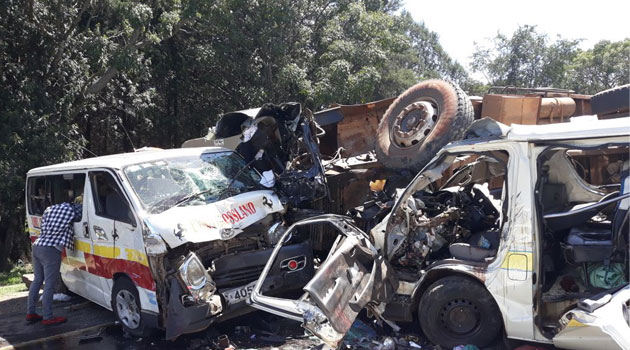
Road accidents in Kenya remain a pressing concern, claiming numerous lives and causing significant economic losses annually. According to the National Transport and Safety Authority (NTSA), over 4,000 fatalities were recorded in 2024, underscoring the urgency of understanding accident causes. For aspiring drivers preparing for the Kenyan driving exam, mastering questions like “Name four causes of accidents in Kenya” is crucial. This article explores four key causes—drunkenness, overspeeding, overloading, and carelessness—offering insights grounded in credible data to help drivers stay safe and informed.
Drunkenness: A Leading Cause of Road Crashes
Driving under the influence of alcohol is a major contributor to road accidents in Kenya. The NTSA reports that alcohol-related crashes account for approximately 15% of fatalities, particularly in urban areas like Nairobi and Mombasa. Drunkenness impairs judgment, slows reaction times, and reduces coordination, making it a deadly risk on Kenyan roads.
- Impact: Drivers may misjudge distances or fail to notice pedestrians and other vehicles.
- Prevention: Avoid alcohol consumption before driving, and use designated drivers or ride-hailing services like Uber or Bolt.
Overspeeding: The Silent Killer on Kenyan Roads
Overspeeding is another critical factor, contributing to nearly 30% of road accidents, per NTSA’s 2024 statistics. Kenya’s highways, such as the Nairobi-Mombasa corridor, often see drivers exceeding speed limits, leading to catastrophic collisions. High speeds reduce the time to react to obstacles, especially on poorly maintained roads or during adverse weather.
- Key Risks: Loss of vehicle control, increased stopping distances, and severe crash impacts.
- Solution: Adhere to speed limits (e.g., 50 km/h in urban areas, 80 km/h on highways) and use speed governors as mandated for public service vehicles.
Overloading: A Strain on Safety
Overloading, particularly in matatus and trucks, is a persistent issue in Kenya. The NTSA notes that overloaded vehicles are involved in 10-12% of accidents, often due to mechanical failures like brake issues or tire blowouts. Overloading compromises vehicle stability, especially on Kenya’s rugged rural roads, increasing the likelihood of rollovers or collisions.
- Consequences: Reduced braking efficiency, tire damage, and higher crash severity.
- Mitigation: Operators must comply with vehicle capacity regulations, and passengers should report overloading to authorities via NTSA’s hotline.
Carelessness: The Human Factor in Crashes
Carelessness, encompassing distracted driving, ignoring traffic rules, or poor decision-making, is a significant accident cause. The rise of mobile phone use while driving, as highlighted in a 2025 Kenya Roads Board report, has worsened this issue. Careless behaviors, such as overtaking in unsafe zones or ignoring traffic signs, are common on busy routes like Thika Road.
- Examples: Texting while driving, failing to signal, or disregarding pedestrians at zebra crossings.
- Remedy: Stay focused, follow traffic regulations, and attend defensive driving courses offered by institutions like the Automobile Association of Kenya.
Understanding these four causes of accidents—drunkenness, overspeeding, overloading, and carelessness—equips drivers with the knowledge to navigate Kenya’s roads safely. By addressing these risks, aspiring drivers can ace their driving exams and contribute to reducing the alarming accident rates. For more road safety tips, visit ntsanews.co.ke or follow NTSA’s guidelines to foster a safer driving culture in Kenya.