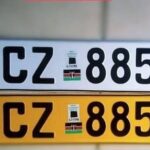



In Kenya, the importation of second-hand vehicles remains a popular choice for many due to their affordability and availability, particularly from markets like Japan and the United Kingdom. However, registering vehicles older than eight years with the National Transport and Safety Authority (NTSA) involves navigating specific regulations and requirements to ensure compliance with Kenyan laws. This comprehensive guide outlines the step-by-step process for NTSA registration of vehicles above eight years old, incorporating essential details such as required documents, fees, timelines, and expert tips to streamline the process. Whether you’re a car dealer or an individual importer, this article equips you with everything you need to know to successfully register your second-hand vehicle in Kenya in 2025.
Why Registering Vehicles Above 8 Years Old Matters in Kenya
The NTSA, established under Act Number 33 of 2012, is tasked with ensuring road safety and compliance through vehicle registration and licensing. For second-hand vehicles over eight years old, Kenya imposes strict regulations to curb the importation of substandard or environmentally harmful vehicles. These regulations, enforced by the Kenya Bureau of Standards (KEBS) and the Kenya Revenue Authority (KRA), aim to maintain roadworthiness and reduce vehicle-related incidents, which, according to NTSA data, contribute significantly to road crashes in Kenya. Registering such vehicles ensures legal operation on Kenyan roads, compliance with tax obligations, and access to services like insurance and logbook issuance.
Key Challenges in Registering Older Vehicles
Importing and registering vehicles above eight years old presents unique challenges:
- Stringent KEBS Standards: Vehicles must meet KEBS quality and safety standards, requiring a valid Quality Inspection Services Japan (QISJ) certificate or equivalent.
- Tax and Duty Compliance: The KRA imposes taxes based on the vehicle’s value and engine capacity, which can be complex for older models.
- Documentation Requirements: The process demands precise documentation, including import declarations and proof of origin, which can delay registration if incomplete.
- Ministerial Authorization: Vehicles over eight years require an authorization letter from the Ministry of Industrialization, adding an extra layer of bureaucracy.
This guide breaks down the process to help you overcome these hurdles efficiently.
Step-by-Step Guide to NTSA Registration for Vehicles Above 8 Years Old
The NTSA registration process for second-hand vehicles above eight years is conducted through the eCitizen portal, a centralized platform for government services in Kenya. Below is a detailed, step-by-step guide to ensure a smooth registration process.
Step 1: Log into Your eCitizen Account
To begin, access the eCitizen portal (ntsa.ecitizen.go.ke) and log in using your ID number and password. If you don’t have an account, create one by providing your national ID or passport details and KRA PIN. Ensure your KRA PIN is linked to your eCitizen account for seamless verification.
- Tip: Verify your mobile number on the eCitizen platform to receive a dynamic password for secure access. If you encounter issues, contact NTSA support at info@ntsa.go.ke or via their social media platforms.
Step 2: Access the NTSA Service Portal
Once logged in, navigate to the NTSA service portal (new) on the eCitizen dashboard. This portal integrates all NTSA services, including vehicle registration, inspection, and ownership transfer.
- For Dealers: If registering as a motor vehicle dealer, switch your account to reflect your organization’s details by selecting the “Switch Account” option and choosing “Motor Vehicle Dealer.”
Step 3: Select Second-Hand Vehicle Registration
On the NTSA dashboard, go to the “Services” tab and select “Second-Hand Vehicle Registration.” This option is specifically designed for vehicles imported from abroad or previously registered elsewhere.
- Note: Ensure you have all required documents ready before proceeding, as incomplete submissions can lead to delays.
Step 4: Fill in General Information
Complete the General Information Form with details such as the vehicle’s chassis number, make, and model. Click “Next” to proceed to the vehicle details section.
Step 5: Enter Vehicle and Owner Details
Input the following details accurately:
- KRA PIN: The owner’s KRA Personal Identification Number to link the vehicle to the registered owner.
- Customs Entry Number: Obtained from KRA after clearing import duties.
- Vehicle Details: Including chassis number, engine number, and registration number (if applicable from the country of origin).
Click the “Search” icon to populate vehicle details from KRA’s database. If any fields are blank, manually update them to ensure accuracy.
Step 6: Request for Modification
Fill out the Request for Vehicle Modification Form, which may include updates to the vehicle’s status (e.g., engine replacement). This step is crucial for vehicles with altered components, such as imported engines, which require additional documentation like an Import Declaration Form (IDF) or purchase receipt.
Step 7: Specify Ownership Type
Select the type of ownership:
- Single Ownership: For individual owners.
- Joint Ownership: If the vehicle is co-owned, include financier details if applicable (e.g., bank or microfinance institution).
Enter the owner’s details, including ID or passport number, and click “Next.”
Step 8: Provide Collection Details
Specify the authorized person to collect the logbook and number plates, including their ID number and contact information. Choose your preferred NTSA collection center, such as those in Nairobi, Mombasa, or other regional offices.
Step 9: Upload Required Documents
Compile all required documents into a single PDF file and upload them to the portal. The following documents are mandatory for vehicles above eight years old:
- KRA Entry: Proof of cleared import duties from the Kenya Revenue Authority.
- Import Declaration Form (IDF): Issued during the importation process.
- KEBS Certificate: A Quality Inspection Services Japan (QISJ) certificate or equivalent, confirming the vehicle meets Kenyan safety and environmental standards.
- Bill of Lading: Evidence of the vehicle’s shipment from the country of origin.
- Registration Certificate from Country of Origin: To verify the vehicle’s previous registration details.
- Authorization Letter from the Minister of Industrialization: Required for vehicles over eight years to comply with Kenya’s import regulations.
- Proof of Purchase: Such as an invoice or sales agreement.
- Identification Documents: National ID or passport of the owner(s).
- Tip: Ensure all documents are clear, legible, and in PDF format to avoid rejection. Double-check the accuracy of details to match NTSA and KRA records.
Step 10: Submit and Pay Fees
Review all entered information and uploaded documents, then click “Submit.” Proceed to the payment stage, where you’ll pay the following fees via M-Pesa or credit card:
- Inspection Fee: Ksh 1,050
- E-Sticker Fee: Ksh 750
- Additional Charges: Vary based on the vehicle’s engine capacity (cubic capacity or CC rating).
After payment, click “Complete” to finalize your application. You’ll receive a confirmation via SMS or email.
Step 11: Await Processing and Collect Documents
The NTSA processes applications within the following timelines:
- Logbook Issuance: 3 working days
- Number Plate Issuance: 7 working days
Once approved, you’ll receive an SMS notification to collect your logbook and number plates at the designated NTSA office. Present your original ID and the previous logbook (if applicable) during collection.
Key Requirements for Registering Vehicles Above 8 Years Old
Registering a vehicle over eight years old in Kenya requires meticulous preparation to meet NTSA, KRA, and KEBS standards. Below is a summary of the essential requirements:
- Valid Identification: National ID or passport of the owner(s).
- KRA PIN Certificate: To link the vehicle to the owner for tax purposes.
- Proof of Ownership: Bill of sale, invoice, or sales agreement.
- KEBS Certificate: Verifies the vehicle’s compliance with safety and environmental standards.
- Bill of Lading: Confirms the vehicle’s shipment details.
- Registration Certificate from Country of Origin: Proves prior registration.
- Authorization Letter: Issued by the Ministry of Industrialization for vehicles over eight years.
- Vehicle Inspection Report: Obtained after NTSA’s mandatory inspection to ensure roadworthiness.
- Import Declaration Form (IDF): Required for customs clearance.
- Customs Entry: Proof of paid import duties from KRA.
Additional Considerations for Imported Vehicles
For vehicles imported from markets like Japan or the UK, ensure the following:
- Pre-Shipment Inspection: A QISJ certificate from KEBS or an equivalent from the exporting country is mandatory.
- Age Verification: The vehicle’s manufacturing date must be verified to confirm it exceeds eight years, requiring ministerial approval.
- Duty Payment: KRA calculates duties based on the vehicle’s Current Retail Selling Price (CRSP), engine size, and age. Older vehicles may incur higher taxes due to depreciation adjustments.
Costs and Timelines for NTSA Registration
The cost of registering a second-hand vehicle above eight years old varies depending on the vehicle’s engine capacity and type. Below is a breakdown of the standard fees:
- Inspection Fee: Ksh 1,050
- E-Sticker Fee: Ksh 750
- Registration Fee: Varies based on engine capacity (e.g., Ksh 2,000–5,000 for most passenger vehicles).
- Number Plate Fee: Approximately Ksh 3,000 for standard plates; personalized plates cost up to Ksh 1 million.
- Cyber Fee: Ksh 200 (if using a cyber café for application).
Processing Timelines
- Logbook: Issued within 3 working days after approval.
- Number Plates: Issued within 7 working days, subject to NTSA’s capacity and compliance checks.
Common Challenges and How to Avoid Them
Registering vehicles over eight years old can be complex due to stringent regulations. Here are common pitfalls and solutions:
- Incomplete Documentation: Missing documents like the KEBS certificate or ministerial authorization can halt the process. Solution: Create a checklist and verify all documents before submission.
- Incorrect Details: Mismatches in KRA PIN, chassis number, or owner details can lead to rejection. Solution: Cross-check all entries against official records.
- Delayed Ministerial Approval: The authorization letter from the Ministry of Industrialization can take time. Solution: Apply early and follow up with the ministry directly.
- Unpaid Duties: Failure to clear KRA duties delays registration. Solution: Confirm duty payment status via the KRA portal before applying.
- Technical Issues on eCitizen: The portal may experience downtime during peak hours. Solution: Access the portal during off-peak times or ensure a stable internet connection.
Tips for a Smooth NTSA Registration Process
To ensure a hassle-free registration experience, consider these expert tips:
- Engage a Trusted Agent: For complex cases, hire a reputable clearing agent familiar with NTSA and KRA processes to handle documentation and customs clearance.
- Conduct a Vehicle Search: Before purchasing, perform an NTSA vehicle search (Ksh 550) on the eCitizen portal to verify ownership, chassis number, and any encumbrances like loans.
- Inspect the Vehicle: Engage a trusted mechanic to confirm the vehicle’s mechanical condition and ensure it matches the documented specifications.
- Stay Updated: Follow NTSA’s official website (www.ntsa.go.ke) or social media for updates on regulations or changes in processing times.
- Keep Copies: Retain digital and physical copies of all submitted documents and payment confirmations for reference.
Why Compliance with NTSA Regulations is Critical
Failing to register a vehicle or operating an unregistered vehicle in Kenya can lead to severe consequences, including:
- Impoundment: NTSA, in collaboration with the police, conducts nationwide operations to seize unregistered vehicles.
- Fines and Penalties: Non-compliance can attract fines or legal action, especially for vehicles involved in criminal activities.
- Safety Risks: Unregistered vehicles may not meet roadworthiness standards, increasing the risk of accidents.
By registering your vehicle promptly, you contribute to Kenya’s road safety goals and avoid legal complications.
The Role of Other Agencies in Vehicle Registration
The NTSA works closely with other agencies to ensure a seamless registration process:
- Kenya Revenue Authority (KRA): Verifies import duties and taxes, issuing customs entry documents.
- Kenya Bureau of Standards (KEBS): Conducts conformity tests to ensure vehicles meet safety and environmental standards.
- Kenya Ports Authority (KPA): Issues port release orders after clearance at the Port of Mombasa.
- Ministry of Industrialization: Provides authorization for importing vehicles over eight years old.
Coordination among these agencies is critical to avoid delays or rejections.
Trends in Vehicle Registration in Kenya (2025)
Recent NTSA data indicates a marginal drop in new vehicle registrations in 2025, with only 20,132 vehicles registered in May compared to 21,056 in April. This decline, attributed to economic challenges, highlights the growing preference for second-hand vehicles, which dominate imports (62,495 units in the year to June 2023). The demand for affordable, reliable vehicles underscores the importance of understanding the registration process for older models.
Digital Transformation in Vehicle Registration
The integration of NTSA services into the eCitizen platform reflects Kenya’s push for digital transformation. The Transport Integrated Management System (TIMS) enhances efficiency, transparency, and accessibility, reducing processing times and paperwork. However, users must familiarize themselves with the portal to avoid errors.
Registering a second-hand vehicle above eight years old in Kenya requires careful preparation, accurate documentation, and adherence to NTSA, KRA, and KEBS regulations. By following the step-by-step process outlined in this guide—logging into eCitizen, selecting the NTSA portal, submitting required documents, and paying fees—you can navigate the process with confidence. The mandatory authorization from the Ministry of Industrialization, KEBS certificate, and customs clearance add complexity, but with proper planning, you can avoid delays and ensure compliance.